

A founder brand is the visibility, credibility, and trust you build with buyers by showing up in public, under your own name, educating the market, being genuinely helpful, and being genuinely you.
It's also the only durable competitive advantage left for most B2B firms.
We used to be able to crea...

Content pillars for a founder brand are the three to five topics you commit to being known for. You don't have to invent them; your customers' questions already wrote the list. Here's the framework I use to help founders choose theirs.
For most of LinkedIn's history, the feed ran on relationships. ...
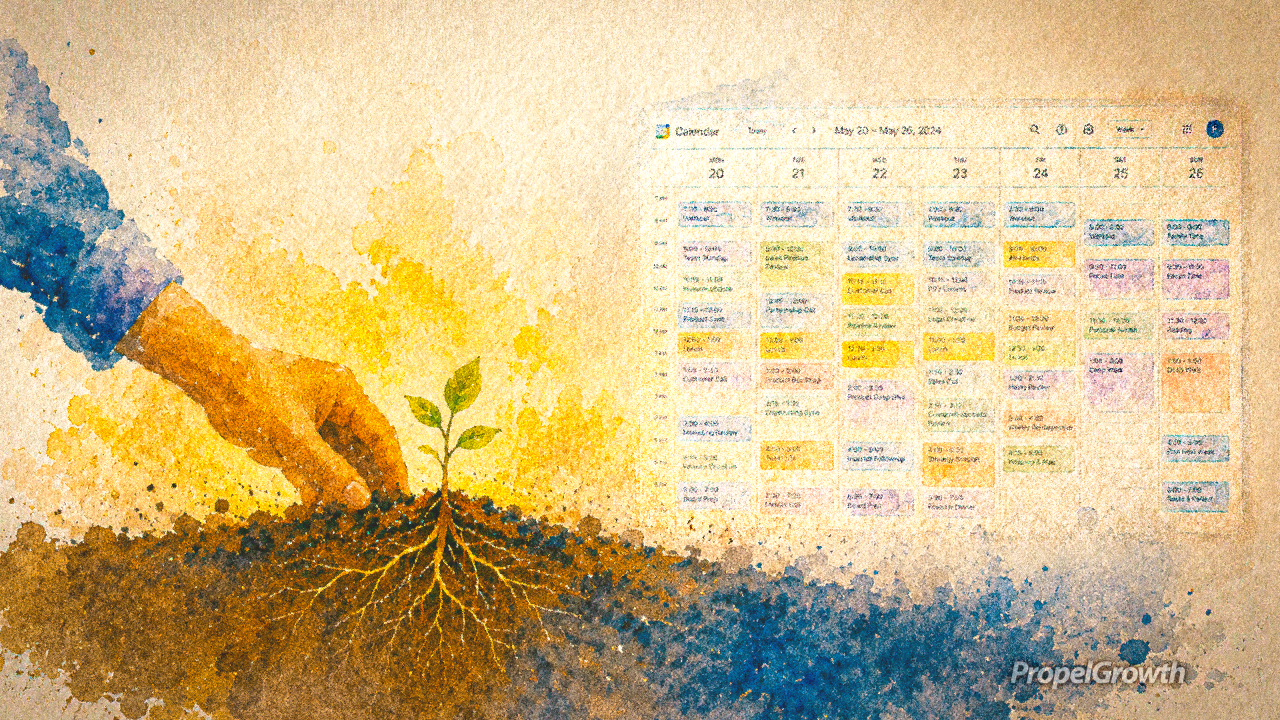
Do you have time to build a founder brand? The honest answer: you don't have time not to. Every quarter you stay invisible, cold outreach gets more expensive and the market decides who to trust while you're still invisible.
Every founder I talk to about building a brand on LinkedIn agrees it matter...
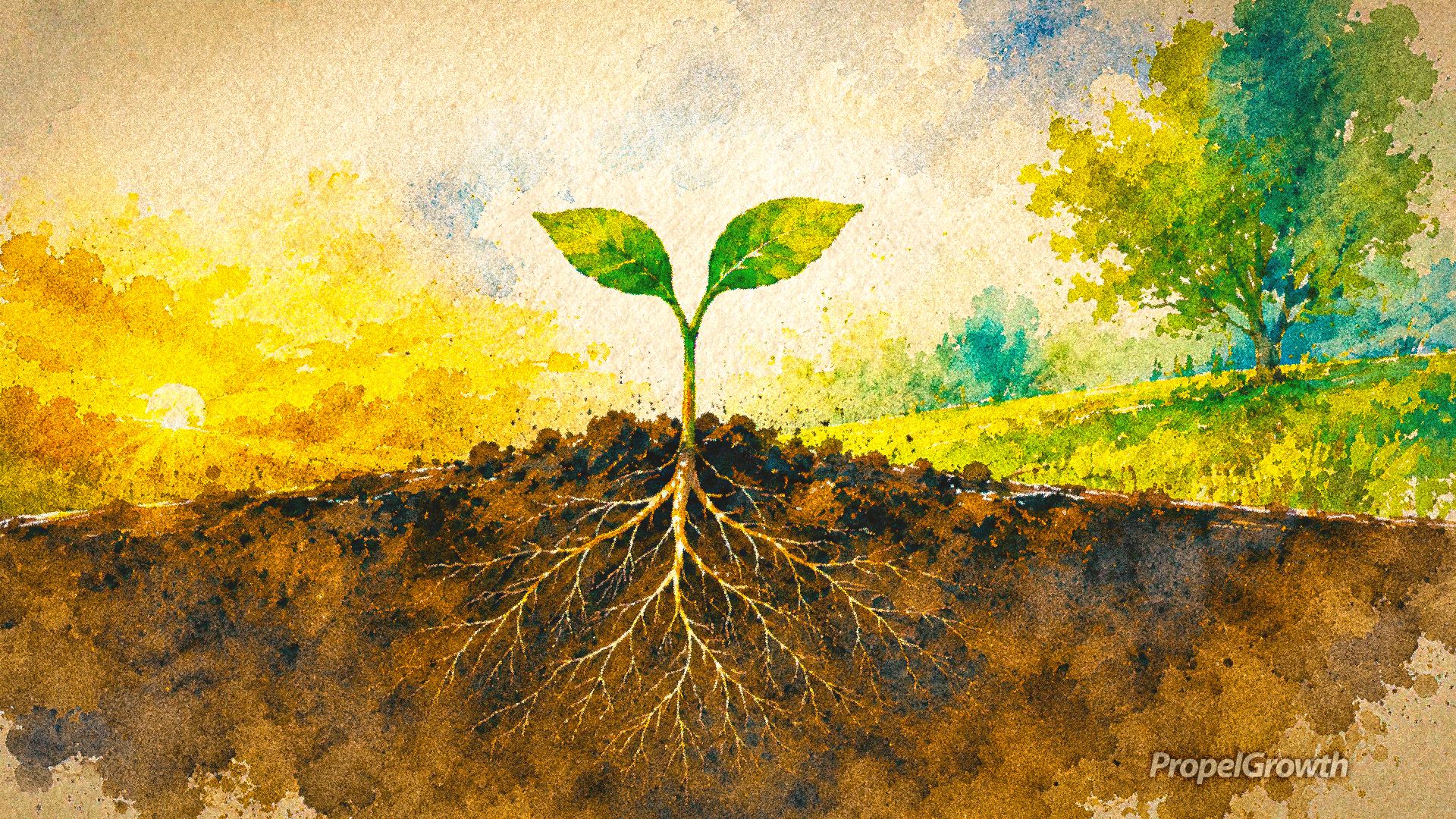
How long does a founder brand take to work? Plan on 12 to 18 months of consistent presence before results turn steady and measurable. Most founders quit right before it starts working.
A few years ago, I decided to try gardening. I planted cilantro seeds. It was the first time I'd grown anything fr...

B2B demand generation is failing because most companies harvest demand but fail to plant. Capturing demand is easier to measure, easier to show ROI. But if you aren't planting, you won't have any demand left to harvest. A founder brand does the planting: it builds the visibility, credibility, and tr...
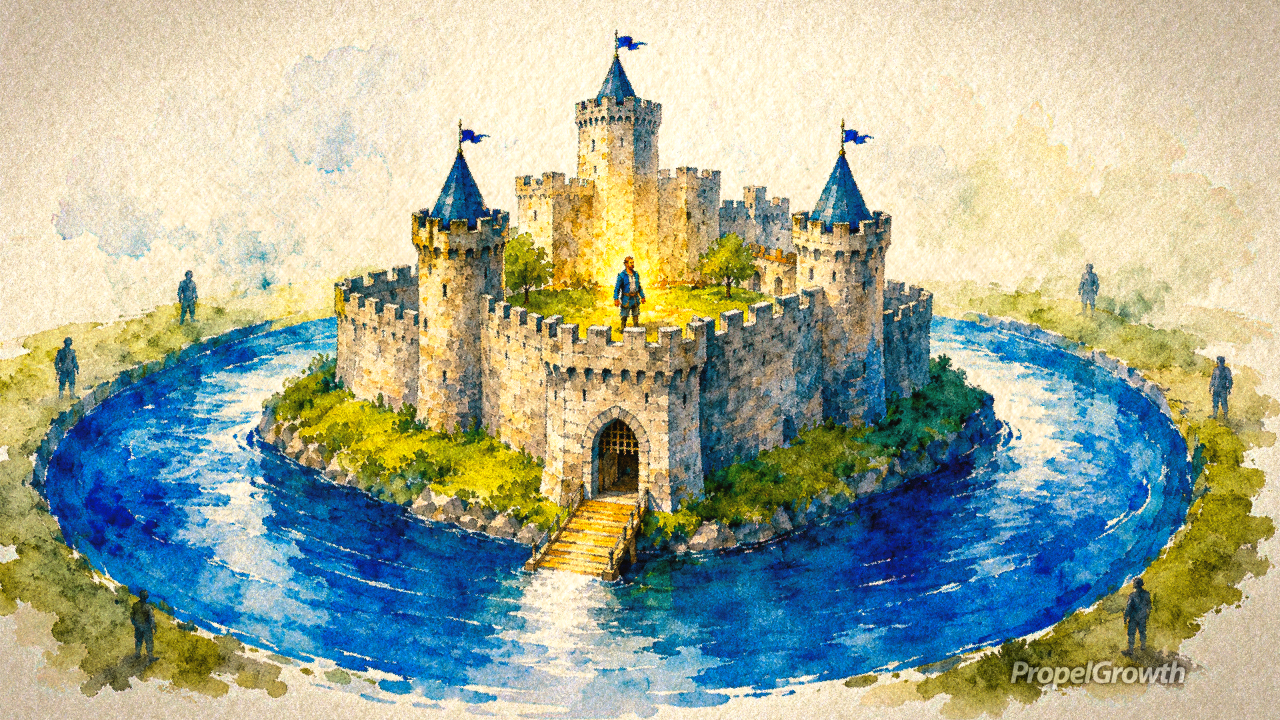
A founder brand is the last durable competitive moat in B2B. Competitors can use AI to copy your product, your pricing, and your content. But they can't copy you, and they can't copy the trust you build in the marketplace.
When I cofounded my first software company in 2000, our technology advantage...

If your LinkedIn reach has dropped lately, you're not imagining it.
Post impressions are down for almost everyone. LinkedIn replaced the 19+ algorithms it used to run with an AI system called 360 Brew, and it changed everything about what shows up in your feed. Most LinkedIn accounts are seeing a v...
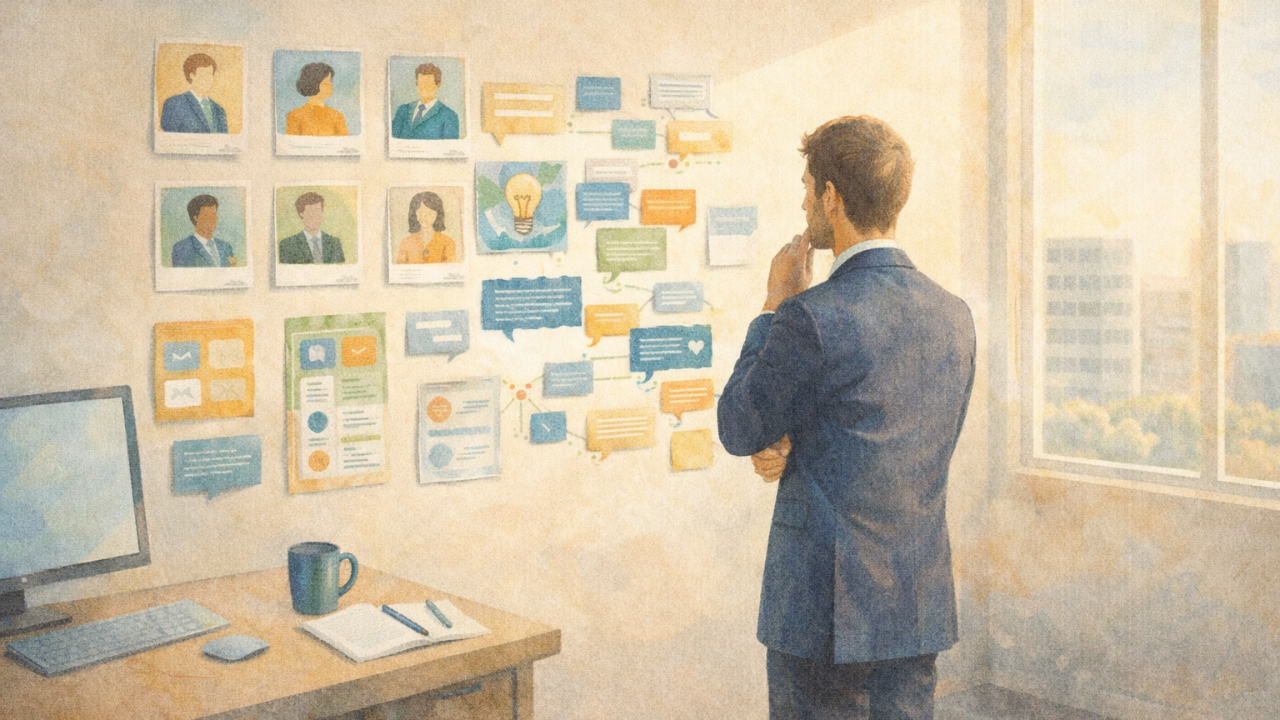
In my last article, we looked at the data behind LinkedIn commenting and why it drives more visibility than posting alone. This one is about execution. Specifically, why most people's commenting efforts fall flat and what to do instead.
Commenting randomly on LinkedIn won't work. Commenting strateg...
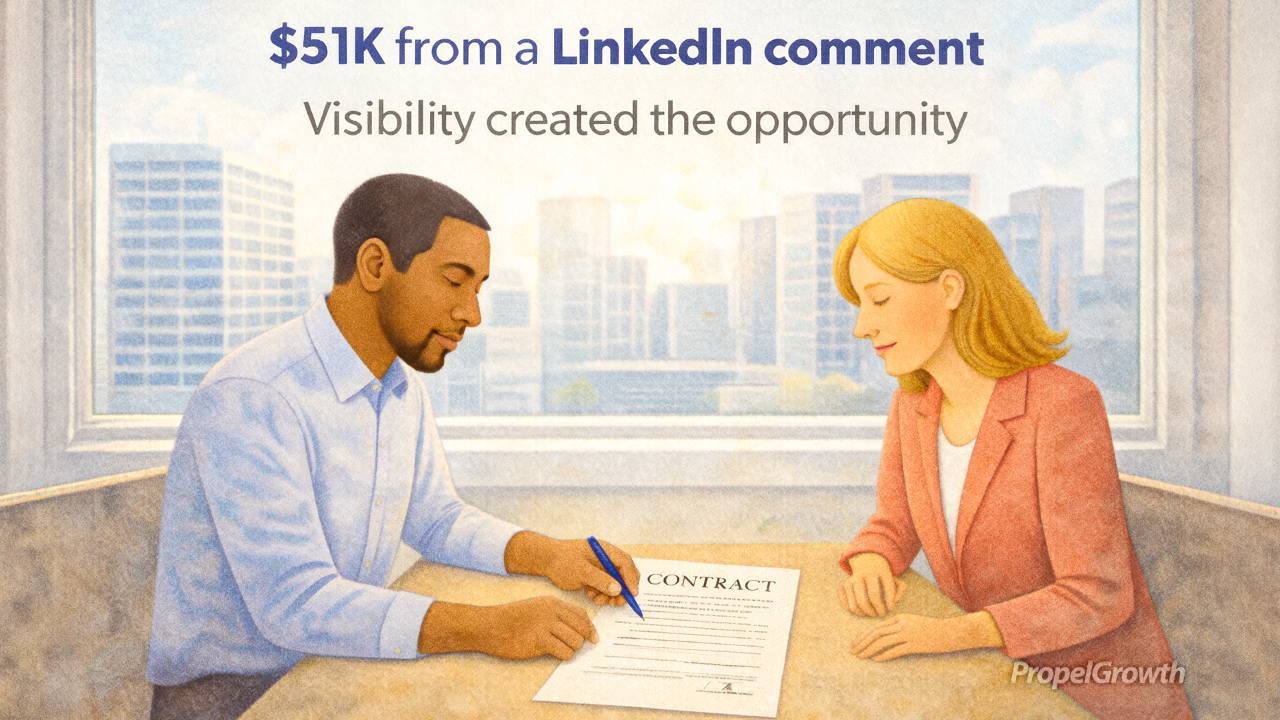
My newest Executive Credibility Engine client just closed a $51,000 deal.
It started with a comment.
Not a viral post. Not a webinar. Not a paid campaign.
A comment.
Here’s what happened.
A Microsoft executive published a thoughtful post about partner growth.
Rob (my client) added a perspectiv...

People say, "You should be commenting on LinkedIn."
Here's what they're missing: you should be commenting strategically, not randomly.
People say, "Post more."
But posting more only works when it's deliberate and coherent. Not just to stay visible, but to be understood.
I see a specific pattern ...
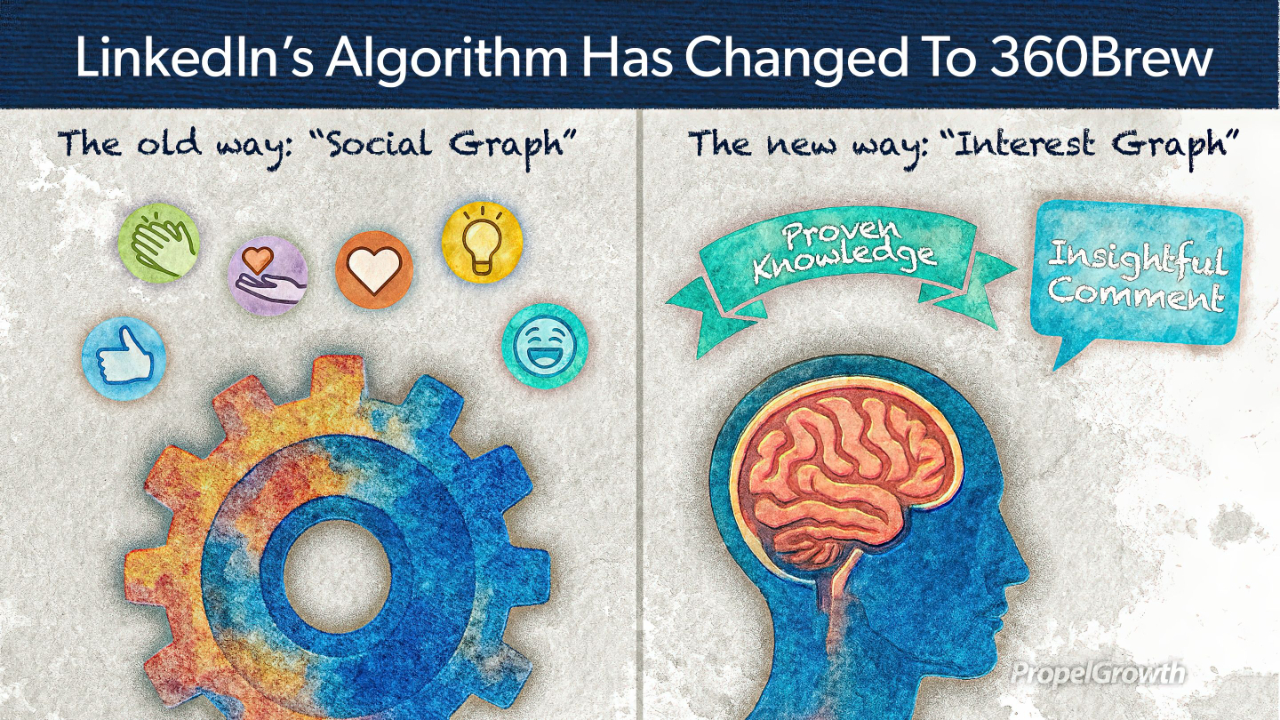
Wondering why your LinkedIn views are down or what happened to your reach in 2025? You’re not imagining it. Reach has tanked for nearly everyone. You’re not being shadow-banned. And it’s not just you. The algorithm has changed dramatically. This article gives you the quick answers and the deeper st...
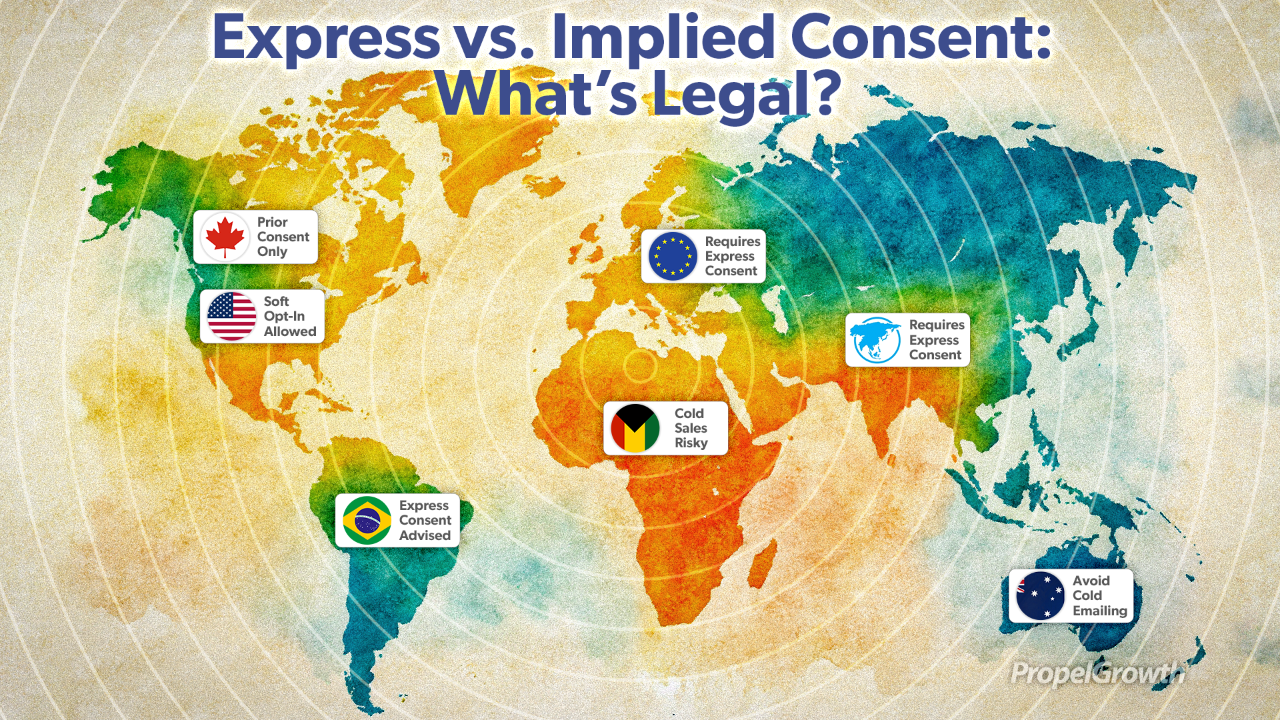
If you're sending marketing emails, you need permission. But not all permission is created equal — and not all of it is legal anymore.
Following the wrong approach can do more than hurt your deliverability. It can cost you big fines, damage your brand's reputation, and erode trust with your audienc...

