
Your Founder Brand Won't Sprout for a Year. Plant It Anyway.
Jul 09, 2026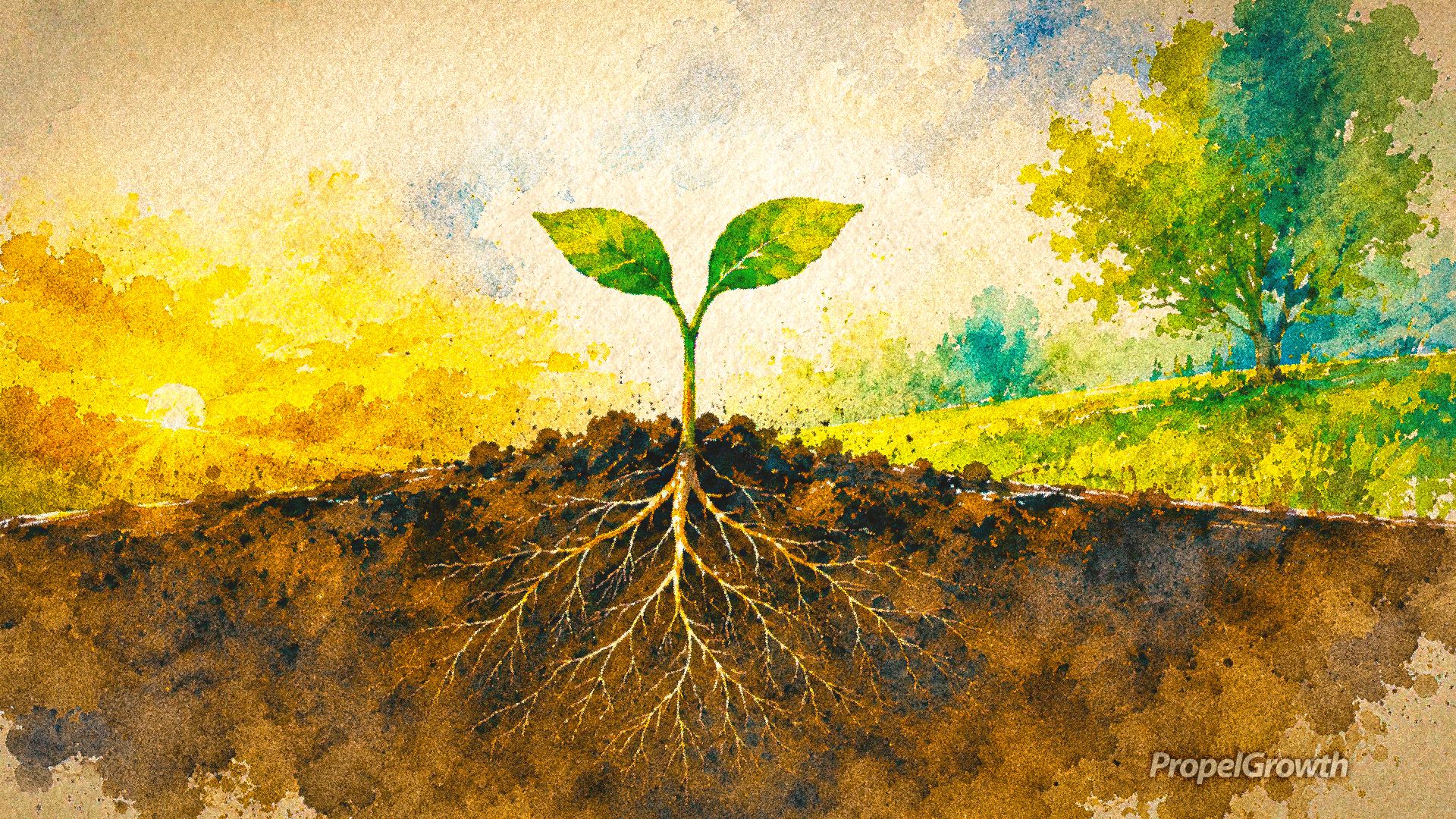
How long does a founder brand take to work? Plan on 12 to 18 months of consistent presence before results turn steady and measurable. Most founders quit right before it starts working.
A few years ago, I decided to try gardening. I planted cilantro seeds. It was the first time I'd grown anything from seed, so I did everything right. I prepared the soil, mixed in compost, and sowed the seeds exactly the way the package said.
Every morning, I went out to check on them. I watered carefully. I made sure they got plenty of sun.
Day 3, nothing. Day 5, nothing. Day 10, still absolutely nothing. I got so frustrated that I dug up a few seeds to see if they were sprouting. Nothing.
By day 10, I'd given up. I planned a trip to the nursery for a fresh packet so I could start over. But the packet clearly said germination takes 14 days. A few days later, day 13 to be exact, I checked the patch one more time before heading out. Hundreds of tiny sprouts.
That didn't mean I could start eating cilantro. The plants still needed several weeks to mature before I could harvest a single leaf.
Building a founder brand works the same way. And most founders quit at day 10.
A founder brand is the visibility, credibility, and trust you build with buyers by showing up in public, under your own name, saying useful things.
A founder brand grows in a specific order
The order is visibility first, then credibility, then trust. Each stage feeds the next, and you can't jump ahead.
Visibility means your ideal buyers see you at all. This is where most founders lose before they start. When buyers have a problem, they don't research vendors. They research their problem, on LinkedIn, with colleagues, and increasingly with AI. If you're not showing up where they're looking, you don't exist to them. And according to a Google/Bain study, 90% of buyers build their shortlist before they ever begin a formal buying process. Invisible means never making the list.
Credibility is what happens when visibility repeats with substance. You say something useful. Your audience remembers it, and they remember you as someone who says useful things. Keep helping them understand their problem better, and you become associated with that problem. That association is credibility. It's not a credential. It's a pattern of being useful in public.
Trust is where the business results live. And to understand why, you have to understand what a buyer is actually doing when they buy.
Every purchase is a risk
Markets require trust because buyers cannot inspect everything. Every purchase contains uncertainty. Will this work? Will I get fired? Will my boss think I'm an idiot?
Your buyer isn't just evaluating your product. They're evaluating the personal risk of choosing you. No datasheet resolves that. No demo resolves it. What resolves it is months of watching you show up, say useful things, and be right.
Marketing executive Margaret Molloy put it well: a brand is not a slogan. It's a promise, kept in public. That's what your founder brand is. A promise to your customers, your employees, and your investors, and a record of you keeping it where everyone can see.
You can tell a lot about a company by how it treats that promise. Strong brands treat customers with respect. They share. They give. They bring useful ideas. They give buyers a better way to understand themselves and their problems. Weak brands treat customers like prey. They take. Gated reports, sales sequences, every interaction a measurable conversion path. Buyers feel the difference immediately, and trust flows to the givers.
How long a founder brand takes to grow
Here's where founders fail. Not at strategy. At day 10.
First, let's be clear about the timeline. My cilantro germinated in 14 days. Your founder brand won't. The first few months of building in public deliver almost nothing you can see. Expect 12 to 18 months of consistent work before your founder brand delivers steady, measurable outcomes. Your day 10 moment, the one where you're ready to dig everything up and start over, usually hits somewhere around month two or three.
Craig Rosenberg describes the progression he sees in founders who push through it. The first few months feel like talking to yourself. Then something shifts. A buyer you didn't know sends a DM, or a prospect tells your sales rep they loved one of your posts. By month five, content-engaged opportunities show up in the forecast and close faster. By month eight, job candidates cite your posts in their applications. And somewhere past the one-year mark, the results stop feeling like lucky breaks and start showing up steadily, month after month.
The ones who quit before month three never find out.
That was me with the cilantro. The seeds were germinating the whole time. Nothing was wrong. The process was working exactly as the package promised. I just couldn't see it yet, and I nearly threw it all out three days before the sprouts appeared.
Checking your analytics every morning won't make trust grow faster, any more than my daily inspections made the cilantro sprout. And digging up the seeds to check on them, or abandoning the strategy in month two because the pipeline number hasn't moved, guarantees you never see the harvest.
Sowing takes faith. Not sowing takes none.
The frustrating thing about trust is that the early work is invisible. Visibility feels like shouting into a void. Credibility builds quietly, in memories you can't measure. And then trust shows up, like hundreds of sprouts on day 13, in warm first calls, inbound DMs, and deals that close faster because the buyer already knows how you think.
Here's the part that makes the long wait worth it. Cilantro reseeds itself. Let a few plants go to seed, and next season you'll find volunteers coming up on their own, without you lifting a finger. Founder brands do the same thing. The trust you build keeps producing after the work that built it. Old posts keep surfacing. People you've never met quote your ideas to each other. Buyers show up already sold, referred by someone you helped two years ago. The first crop takes 12 to 18 months. After that, the garden starts planting itself.
You can wait for proof before you plant. But the proof only comes after the planting. The founders seeing steady results today sowed their seeds more than a year ago, while everyone else was heading to the nursery to start over.
Plant. Water. Wait past day 10.
This article is part of my founder brand series, which also includes Why a Founder Brand Is the Last Durable Competitive Moat in B2B, Why B2B Demand Generation Is Failing (And How a Founder Brand Fixes It), Content Pillars for a Founder Brand, and You Don't Have Time Not to Build Your Founder Brand.
About the Author
"Your biggest competitor isn't another firm—it's your invisibility."
Candyce Edelen helps B2B founders build a founder brand that drives visibility, credibility, and authority. She surfaces your expertise from your conversations with clients and shapes it into strategic LinkedIn content. This builds trust with buyers before they're ready to buy. The result: improved customer acquisition costs, higher close rates, and bigger deal sizes. Candyce has been building founder brands as part of a go to market strategy for for over 25 years. During that time, she’s interviewed more than 250 executive-level buyers, and those interviews have shaped her understanding of how to help founders build credible authority that drives business results.
Supercharge your prospecting and social selling on LinkedIn!
Get actionable tips to up your social selling game. You'll get ideas to help you optimize your LinkedIn profile, attract ideal leads, grow your network and book sales meetings with your ideal prospects.
Check your inbox and spam folder for a confirmation email. We hate SPAM and want to confirm your subscription before adding you to our list. We'll never sell or share your information, and you can unsubscribe anytime.

